Planning a wedding rarely starts with choosing the flowers or the dress. The real starting point is setting a clear framework: a date, a budget, a guest list, and a reception format that aligns with the experience you want to have. Once this foundation is in place, wedding planning becomes much simpler, because every decision aligns with the same priorities.
If you’re wondering how to plan your wedding without getting lost in the details, the most effective approach is to take it one step at a time. This guide provides a logical sequence, practical tips, and a realistic wedding timeline to help you stay on track, even as your to-do lists get longer.
Key Takeaways
- To plan a wedding without stress, start by setting a budget, finalizing the guest list, and deciding on the date and venue.
- Wedding planning goes more smoothly when the big decisions are made before you finalize the details.
- Planning a wedding 12 to 18 months in advance gives you more time to compare options, make reservations, and make adjustments without stress.
- Good organization prevents unnecessary expenses and duplication of effort among service providers, guests, and logistics.
- If you’re planning a destination wedding, the reception, accommodations, and transportation should all be planned together from the very beginning.
Where do you start when you want to plan a wedding?
The first mistake is often trying to decide everything at once. In reality, planning a wedding follows a fairly simple hierarchy: first, you set the parameters that determine everything else, and then you refine the more creative choices. This is what helps you maintain a clear vision and avoid getting sidetracked.

Before you start looking into service providers and decor, lay these five foundations:
- The overall budget, which provides the framework for all future decisions.
- The guest list, since it affects the size of the venue and the cost per person.
- The date or time frame, depending on your personal schedule and the season you prefer.
- The format: an intimate wedding, a large reception, a civil, religious, or secular ceremony.
- The level of support: handle everything yourselves or delegate part of the coordination.
Once these points are settled, your wedding planning immediately becomes much clearer. You’re no longer choosing a venue “just because it’s pretty,” but because it truly fits your vision.
| Priority | Why is she first? | Impact on the Future |
|---|---|---|
| Budget | It sets the framework for everything else | Determine the venue, service providers, and number of guests |
| Guests | The venue’s capacity depends on the format | Affects cost, logistics, and atmosphere |
| Date | Availability varies by season | Manages reservations and the calendar |
| Location | It is often the centerpiece of the project | Outline the schedule, timing, and technical requirements |
Determine the budget and guest list before making any reservations
When it comes to wedding planning, the budget isn’t a secondary concern. In fact, it’s the most practical starting point, because it prevents you from envisioning a wedding that doesn’t align with the reality of the project. There’s no point in booking a venue before you have a clear budget: you’d risk having to readjust everything afterward.
Start by allocating the budget among the major expense categories:
- the reception venue;
- food and drinks;
- the bride and groom’s attire;
- wedding rings;
- photography and video;
- decorations and flowers;
- music and entertainment;
- lodging or transportation if the wedding involves travel.
The guest list needs to be worked on at the same time. A wedding with 40 guests, 80 guests, or 150 guests isn’t planned the same way. As the number of guests increases, the venue, service, timing, and overall budget all change. That’s why it’s best to settle on a realistic range before making any reservations.
In well-planned wedding planning, there’s no such thing as a “minor detail” that comes up too early. Even the number of tables, the size of the dance floor, or the need for on-site accommodations can quickly become critical factors.
Choosing the date and location: the real turning point in the planning process
In most cases, the date and venue are the two decisions that determine everything else. Once they’re set, the plan takes shape and the rest of the process becomes much more concrete. This is especially true if you’re planning a wedding during a popular time of year or at a sought-after destination.
The venue shouldn’t just be beautiful. It should also be consistent with your hosting style:
- the number of guests actually accommodated without feeling overcrowded;
- the option of a Plan B in case of unpredictable weather;
- separate areas for the ceremony, the cocktail reception, and dinner;
- accessibility for guests and service providers;
- whether or not on-site lodging is available;
- time, noise, or technical constraints.
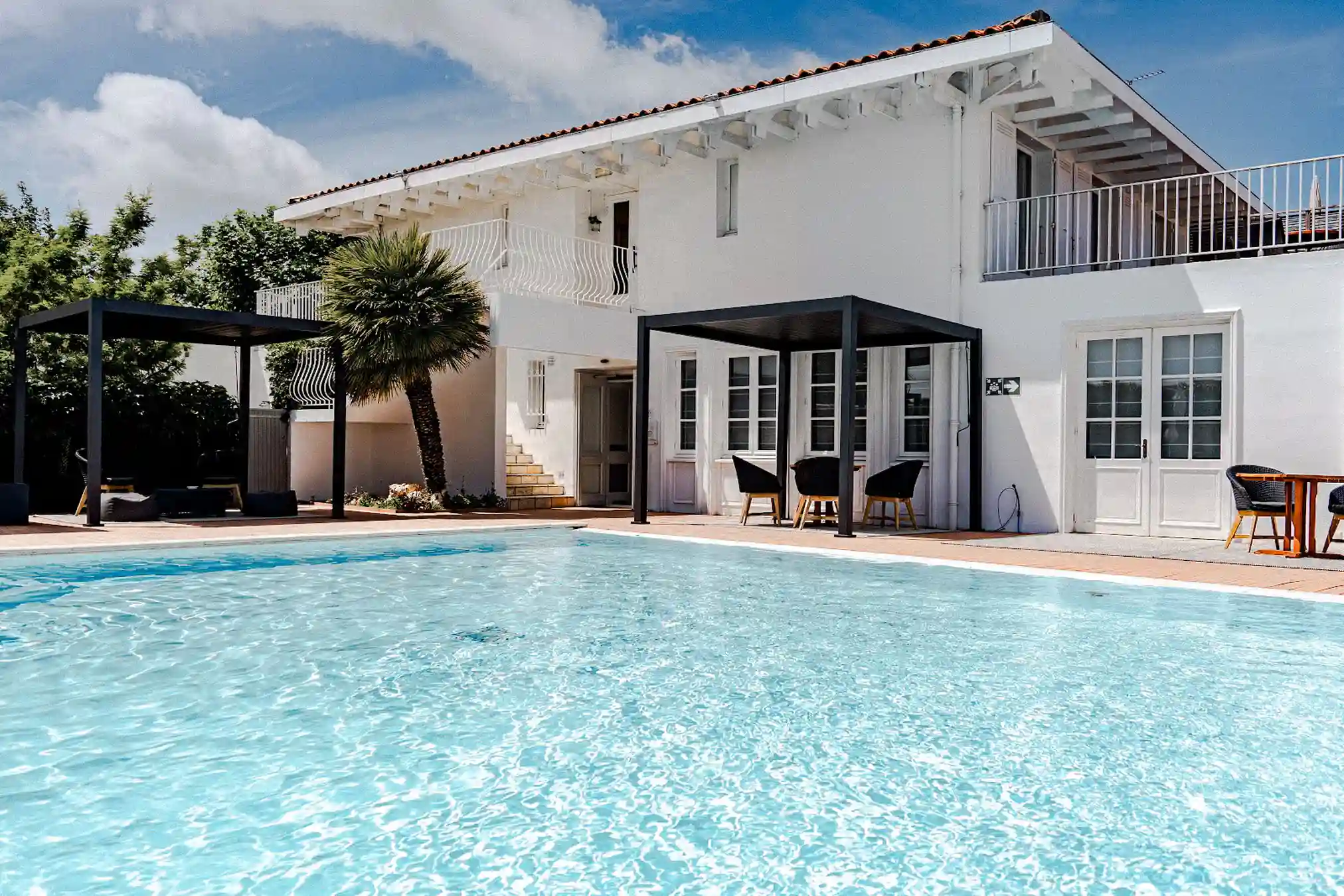
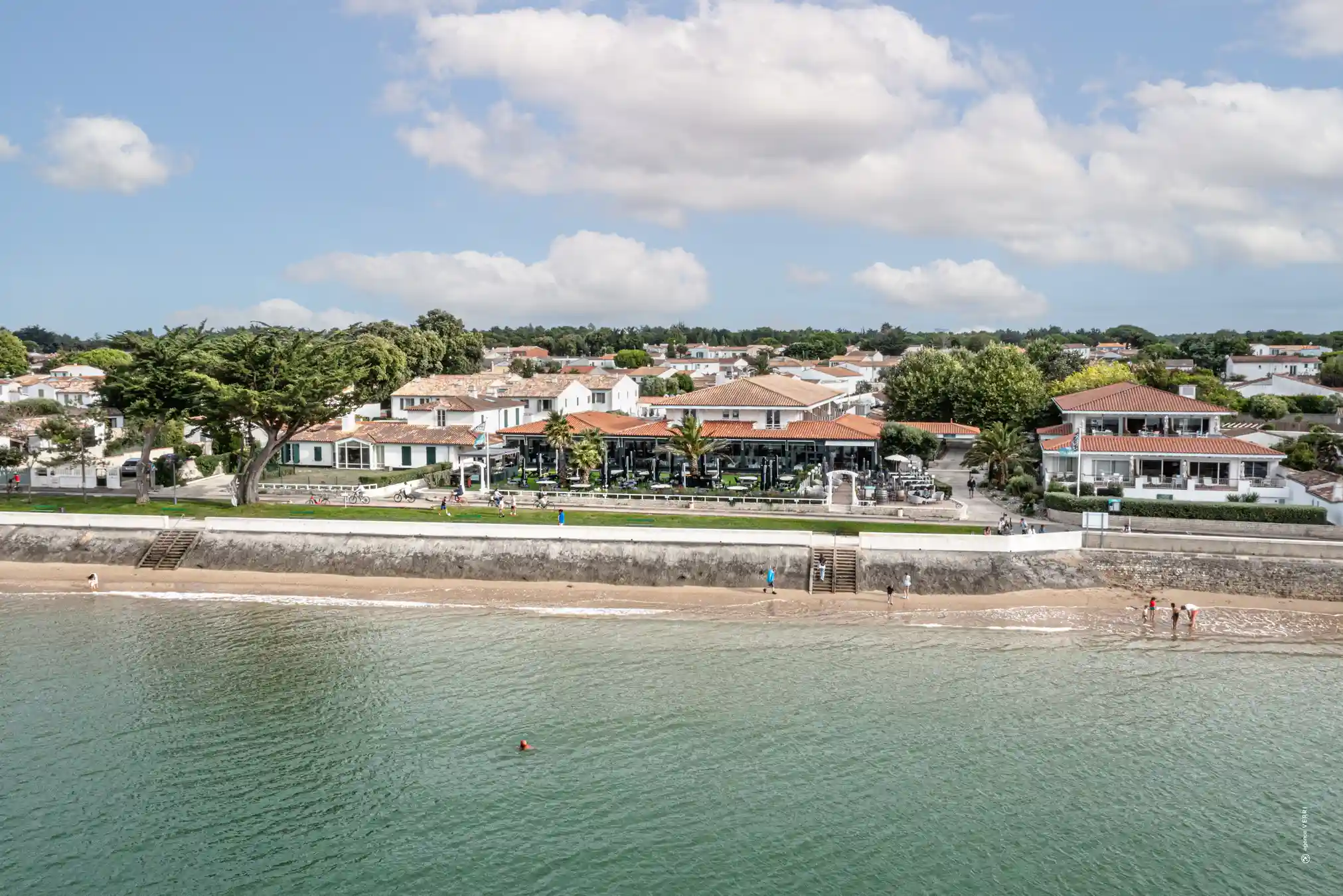
If you’re planning a destination wedding, it’s even more important to have a clear understanding of how the venue works. On Île de Ré, for example, guest accommodations, transportation, the weather, and the weekend’s schedule are all integral parts of the planning process. In this case, it’s helpful to consult a dedicated resource such as the Île de Ré weddings page, and then supplement that with the guide to planning a wedding on Île de Ré if you’re looking for a more specific framework to move forward.
The best approach is to check out the venue before making multiple visits. A well-suited venue makes everything easier: the seating arrangement, transition times, the needs of the service providers, and even the overall atmosphere of the day.
Creating a Realistic Wedding Schedule, Month by Month
Good wedding planning isn’t about perfection—it’s about planning ahead. The sooner you make the key decisions, the more flexibility you’ll have when it comes to the details. The timeline below can serve as a guide if you’re wondering how to plan your wedding without unnecessary stress.
| Period | Priorities | Objective |
|---|---|---|
| 12 to 18 months before | Budget, guests, date, location | Establish the framework and secure the most in-demand positions |
| 9 to 12 months before | Key Service Providers, Style, First Steps | Identify key people and clarify the nature of the marriage |
| 6 to 9 months before | Attire, invitations, transportation, lodging | Stabilize logistics and begin issuing confirmations |
| 3 to 6 months before | Decorations, menu, music, schedule | Refine the experience and the sequence of events on the big day |
| Recent Weeks | Seating charts, contacts, final schedule | Check the details and avoid last-minute surprises |
This wedding schedule works very well for couples who want to stay in control of their decisions without having to rush through everything. It also leaves room for adjustments: a change in the guest list, a new decoration idea, a special request from guests, or a need to revise the schedule.
The closer the event gets, the more important coordination becomes. At this stage, the goal is no longer to “do more,” but to keep things simple, clear, and consistent.
Book the right service providers in the right order
The most urgent vendor isn’t necessarily the one that comes to mind first. To plan a wedding effectively, you should book the items that are hardest to replace before anything else. This prevents you from building your plan around whatever’s left over.
Here is a logical order of priority:
- The venue, because it determines how everything unfolds.
- A caterer or restaurant, if the venue does not handle everything itself.
- The photographer, capturing memories of D-Day.
- The DJ or the musicians, if the party aspect is important to you.
- A wedding planner, if you want to delegate the coordination.
- Floral arrangements and decor, once the visual identity has been established.
- Transportation and lodging, especially for a wedding outside your city.
The most important thing is to maintain a cohesive approach. If your venue already offers some form of dining, lodging, or guided tours, you’ll enjoy greater clarity and ease of management. This is particularly valuable in a premium setting, where the seamless flow of the experience matters just as much as the decor.
Also, be sure to ask about specific details before signing:
- what is and isn’t included;
- attendance schedules;
- any travel or setup costs;
- technical constraints;
- the ability to adapt in the event of last-minute weather changes or unforeseen circumstances.
Solid wedding planning often relies on clear contracts, precise communication, and a realistic vision of the big day. The “high-end” feel comes as much from the execution as from the aesthetics.
Handle guest logistics and coordination for the big day
A successful wedding isn’t just about the ceremony or the reception. It’s also about the guests’ comfort, a clear schedule, and smooth logistics. As soon as you have loved ones coming from far away, logistics become a central part of wedding planning.
To keep the experience simple and enjoyable, plan ahead:
- shipping information;
- hosting solutions;
- arrival and departure times;
- the specific needs of children or the elderly;
- diets;
- the breaks between the highlights.
If the wedding takes place over a weekend, start thinking about the day after right from the beginning. A brunch, a walk, some downtime, or a staggered departure can completely change how the event is perceived. Your guests will leave feeling more at ease—and so will you.
On the big day, the best coordination is often the kind you don’t even notice. A good wedding schedule should include some flexibility: a buffer between each step, a single point of contact for vendors, and a timeline that’s easy for everyone to follow. It’s these details that make for a smooth reception.
Frequently asked questions
How far in advance should you start planning your wedding?
Ideally, start 12 to 18 months before your chosen date. This timeframe gives you plenty of time to finalize the budget, the number of guests, the venue, and the main vendors without rushing.
What’s the first thing you should book when planning a wedding?
The reception venue is often the first real hurdle, right after the budget and the guest list. Once that’s settled, everything else becomes easier to organize.
How can you plan a wedding without getting overwhelmed?
Break it down into steps: the basics, the venue, vendors, logistics, and details. This approach prevents you from trying to handle everything at once and helps you keep your wedding schedule organized.
Should you have a Plan B for an outdoor wedding?
Yes, especially if the ceremony or cocktail reception is held outdoors. A covered area, a tent, or an elegant backup plan can help maintain the atmosphere without disrupting the event’s organization.
Is a wedding planner essential for planning a wedding?
No, but it can save you a lot of time and give you peace of mind. It’s especially helpful if you’re short on time, if you’re planning a destination wedding, or if you want to delegate the coordination of the big day.
Plan Your Wedding Methodically, Without Losing the Fun
Ultimately, planning a wedding doesn’t mean having everything under control to perfection. It means proceeding in the right order, making consistent choices, and keeping a clear vision of the experience you want to offer your loved ones. When the foundation is solid, creativity comes naturally.
If you’re planning a wedding on Île de Ré, you can use the dedicated resources on this site to refine your plans and envision a more concrete setting. And if you’re still in the very early stages of planning, the best approach is to focus on the essentials first: budget, guests, date, and venue—and only then move on to the details.
To learn more, you can also check out the wedding packages on Île de Ré and plan a wedding that truly reflects who you are.